Case Study Sales Funnels / Marketing
From Raw Land to a $1.7M+ Digital Sales Funnel
How I built the end-to-end marketing ecosystem behind a high-ticket online education business—from audience research and lead generation to webinars, sales automation, retargeting and customer retention.
This wasn't a funnel built around an existing product.
I helped create the audience, researched what they wanted, developed the offer, wrote the messaging, built the funnel, connected the technology, generated the traffic, sold the product—and then spent years optimizing the entire system.
01 / Context
The Strategy Behind the Funnel
Before building landing pages, automations or ads, I needed to understand what we were actually selling, who it was for, what they wanted—and what was standing in their way.
That strategic foundation shaped every part of the funnel that followed.
The Idea
Help people with my expertise, and create a business that paid for my lifestyle.
It started with something much simpler than a marketing funnel.
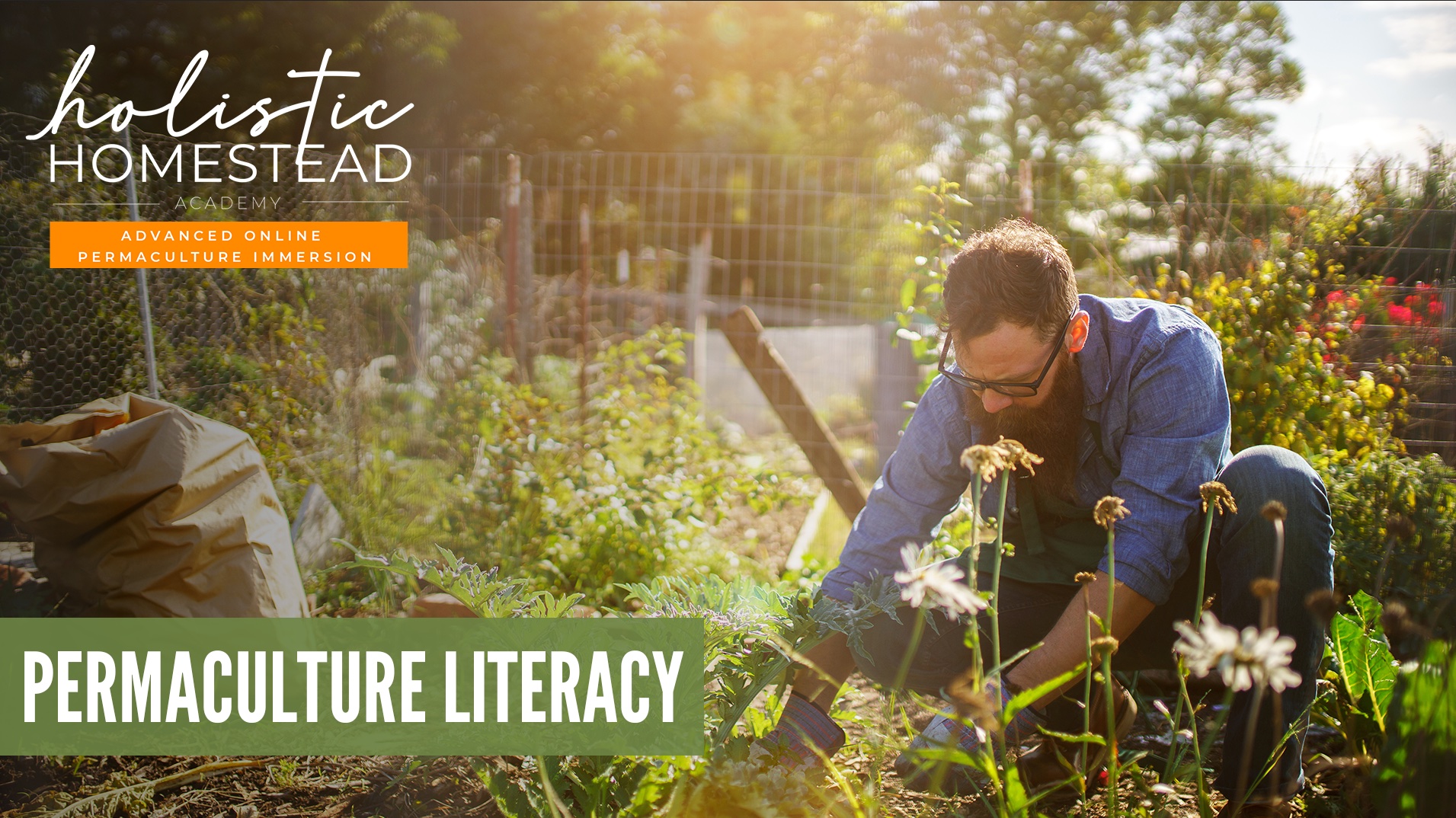
I was passionate about growing my own food and becoming more self-sufficient, so I bought raw land and began building a homestead from scratch. I documented the process online—and people started following along.
That growing audience eventually became the foundation for an online education business designed to help ordinary people create healthier, more sustainable and self-sufficient lives of their own.
My Role: Full-Stack Marketer / Copywriter / Designer
Once the opportunity became clear, I built the customer acquisition and sales system around it.
That included the funnel technology, landing pages, conversion copy, lead magnets, email campaigns, marketing automation, webinars, sales videos, sales pages, paid advertising, retargeting—and much of the educational product itself.
This wasn't a collection of disconnected marketing tactics. It was one customer journey—with every piece designed to move the right person toward the next right action.
The Customer
What connected them wasn't acreage.
The audience wanted more independence, better health and greater self-sufficiency.
Some dreamed of acres of land and a full homestead. Others had nothing more than a suburban lot, urban backyard—or no land at all.
It was the desire to grow healthier food, reconnect their families with the land, become less dependent on fragile systems and create a more intentional way of living.
The Biggest Objections
The same concerns appeared again and again:
What if I don't have land?
What if I don't know where to start?
What if I don't have enough time?
What if I don't have much space?
The Solution: Permaculture
Design smarter. Let the system do more of the work.
Permaculture provided the "new vehicle" behind the marketing message: a way to design gardens, homes and homesteads as connected systems that work more closely with nature.
Instead of simply telling customers to work harder, grow more or buy more land, the message became:
The Product
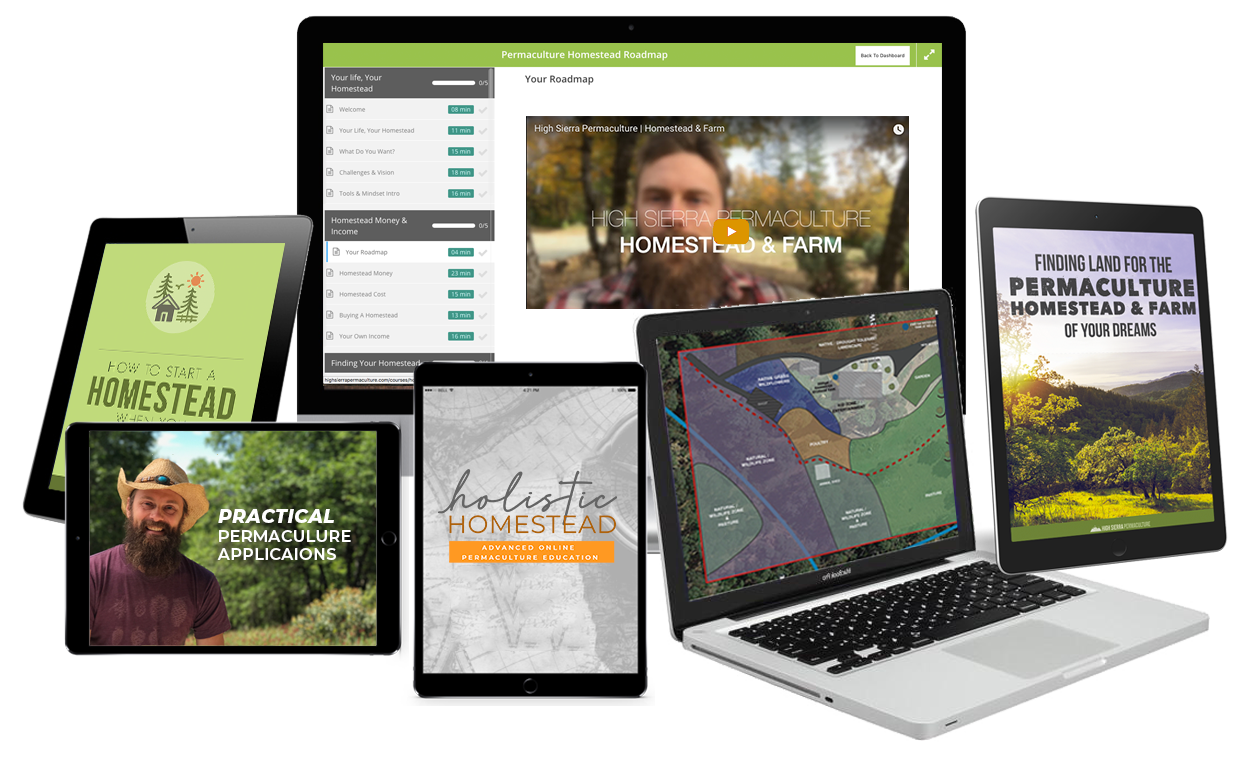
The flagship offer was a comprehensive online permaculture and homestead design program that taught students the principles of permaculture and then guided them through planning and designing their own garden, property or homestead.
Students could progress from having little idea where to begin to creating an actual site plan and, depending on the program version, completing an internationally recognized Permaculture Design Certification curriculum.
Audience Research
The best-performing copy didn't begin with a blank Google Doc. It began with listening to the customer.
Before trying to write clever copy, I wanted to understand what customers actually cared about.
Surveys were used to collect the dreams, desires, frustrations, objections and fears of approximately 500 audience members—in their own words.
The result was hundreds of pages of customer language and qualitative data that could be used throughout the funnel.
This research influenced everything from advertising hooks and lead magnets to webinar messaging, sales-page copy, objection handling and the structure of the offer itself.
02 / The connected system
Funnel Stack & Tech Overview
Before diving into the individual funnel steps, here is the technology that powered the system behind the scenes.

Bucket.io
- Lead Quiz
ClickFunnels
- Landing pages, sales pages funnel pages

WebinarJam
- Live and Evergreen webinar platform
ActiveCampaign
- All emails and auto email sequences
ManyChat
- Lead Magnet Delivery

Kajabi
- Course Platform
Stripe
- Payment Processor (Paid in Full and Subscriptions)
FB Group
- Paid Community

Bonjoro
- New Customer Connection
No single platform did everything particularly well, so I built the funnel as an integrated marketing ecosystem using specialized tools for each stage of the customer journey.
The goal wasn't to build the simplest-looking tech stack. It was to use the right tool at each stage—acquisition, segmentation, nurturing, selling, fulfillment and retention—and make the experience feel seamless to the customer.
Behind the scenes, data, tags and automations connected those platforms so customer behavior in one part of the funnel could trigger the appropriate experience in another.
Nine platforms. One customer journey.
03 / The customer journey
Inside the Funnel: How the Customer Journey Worked
The funnel was designed to move people through a series of increasingly valuable interactions—from first discovering the brand to becoming a lead, attending a webinar, purchasing the program and ultimately becoming an engaged student.
Step #1A
Organic Traffic
All funnel steps ↑Insta - 150k
FB page - 100 k
FB Group - 5k
TikTik - 50k
YouTube -5k
Responsible for 25% of revenue generated.
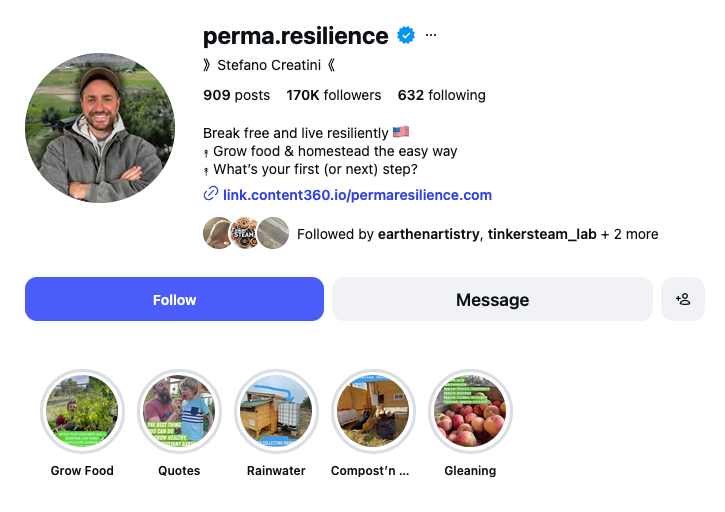
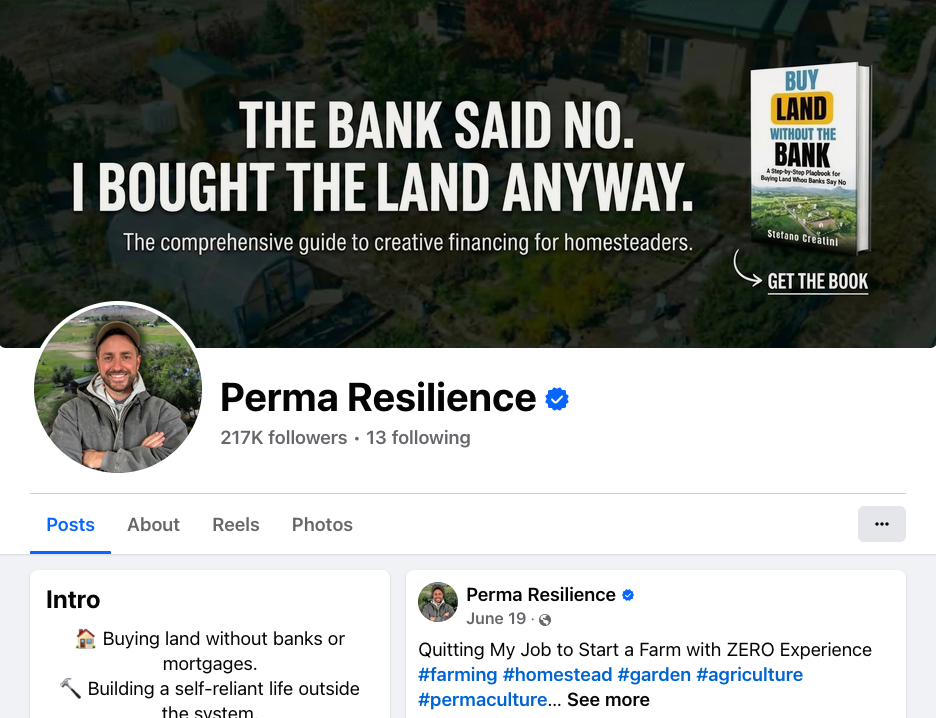
Organic content wasn't created simply to accumulate followers.
Content was intentionally designed to entertain or educate while simultaneously addressing the beliefs that prevented people from taking action—such as believing they needed acres of land, unlimited time or years of gardening experience.
Conversion-copy frameworks such as Hook → Story → Offer helped turn everyday content into part of the larger customer journey, even when the "offer" was simply a new idea or belief.
At the same time, the content showed what this lifestyle actually looked like by documenting my own family's experience living it.
That combination—education, belief shifting and authentic demonstration—helped turn social followers into leads and eventually customers.
Step #1B
Paid Traffic
All funnel steps ↑FB Ads
- Warmup Ads / FB targeting audience building
- Lead Magnet Delivery Ads
- Webinar Registration Ads
- Sales / Testimonial Retargeting Ads for webinar attendees
$500KAd spend over 2.5 years
3XAverage ROAS
75%Of revenue generated
43%Of revenue from the best ad
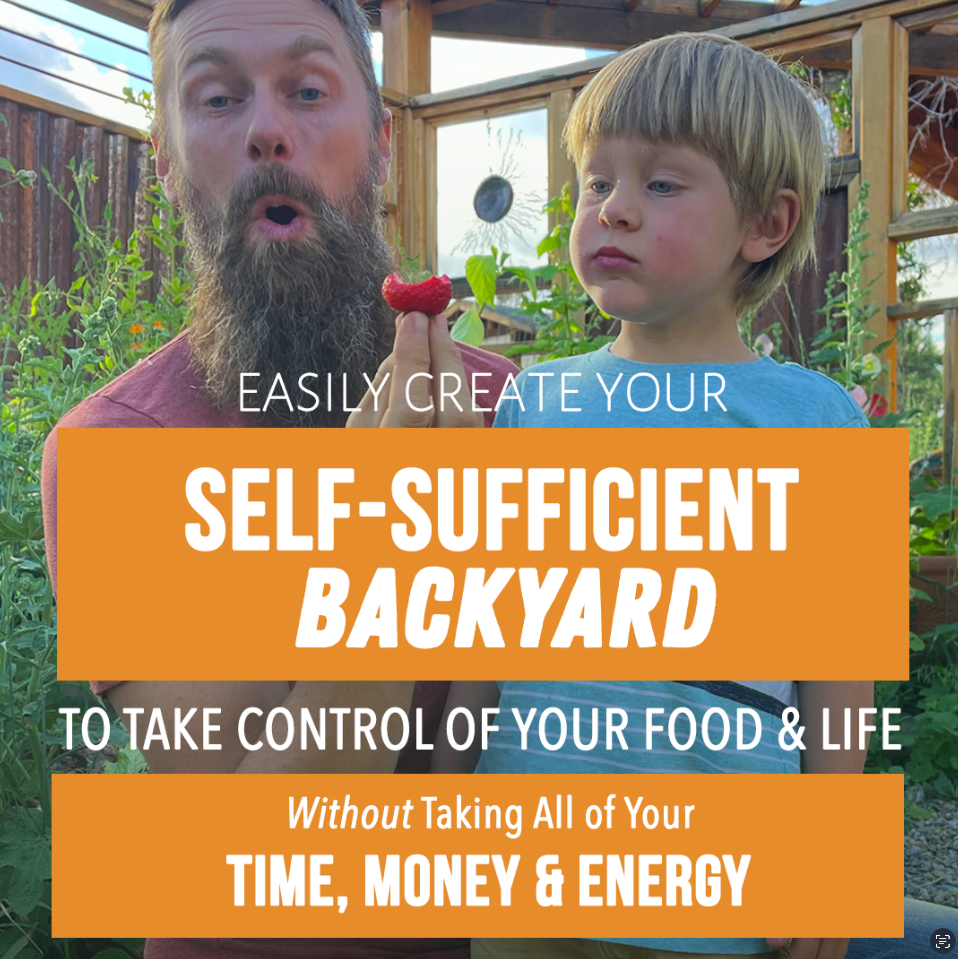
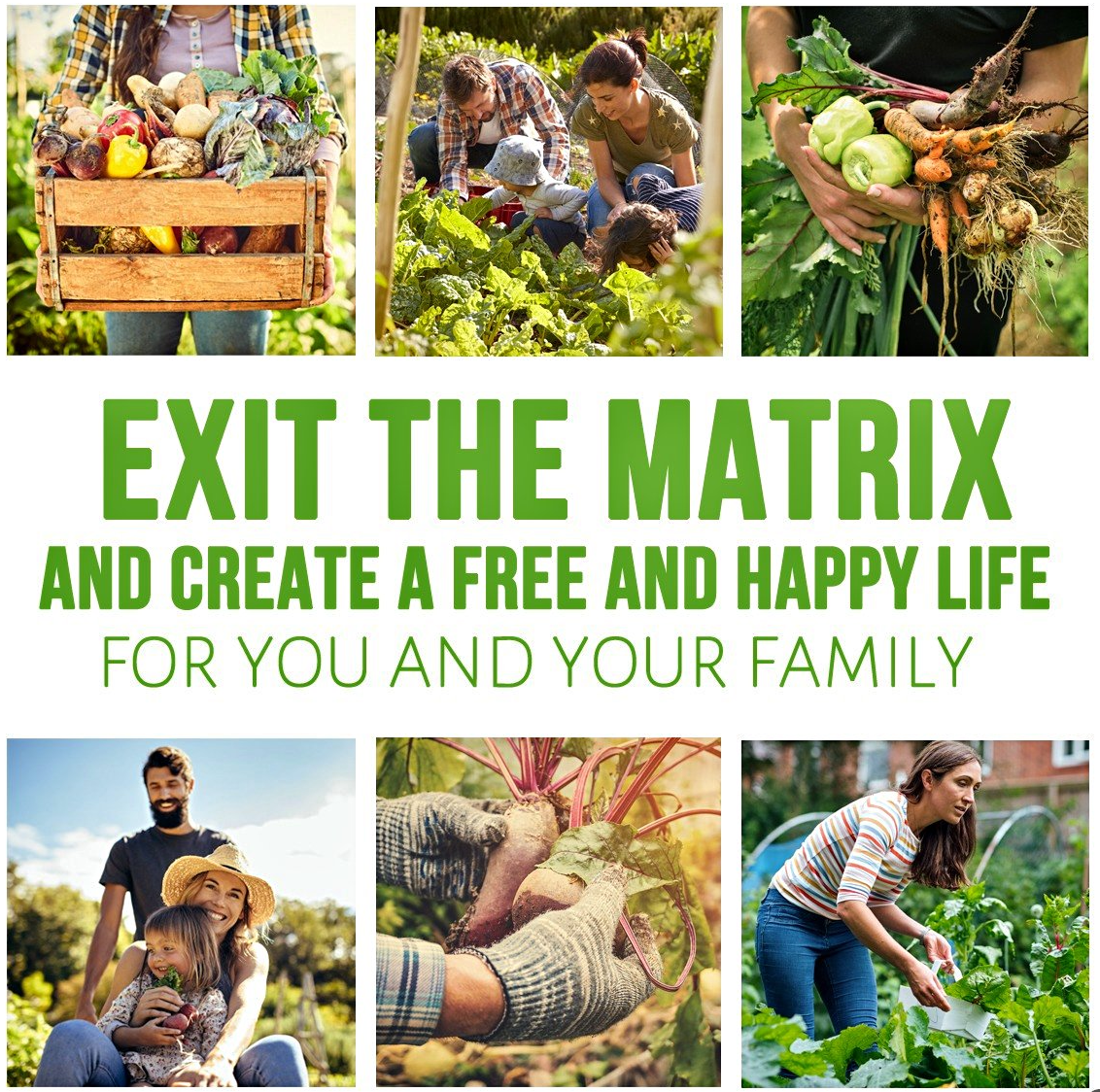
Facebook consistently produced the strongest return for this funnel. Rather than spreading the advertising budget across every available channel, I concentrated resources on the platform that was actually producing customers.
Facebook advertising was used throughout the acquisition cycle—not simply at the top of the funnel.
Cold and warm audiences were introduced to educational content and lead magnets. Existing audiences were invited to webinars. Webinar attendees who didn't purchase were then retargeted with customer transformations, testimonials, enrollment reminders and deadline-driven advertising.
The result was a paid acquisition system that followed prospects through multiple stages of awareness instead of asking a cold audience to immediately purchase a $397–$1,997 product.
Approximately $500K in ad spend wasn't used to "get traffic." It was used to systematically move prospects from awareness to trust to purchase.
Step #2
Lead Magnets
All funnel steps ↑FLOW:
Organic Traffic & FB ads -> Lead Magnets -> Email List
34–62%Registration rate
$.70–$3.50Cost per lead
Rather than relying on one lead magnet indefinitely, multiple entry points were developed and tested over time.
Different concepts attracted prospects at different stages of awareness, allowing the funnel to respond to changes in advertising costs, audience interests and campaign performance.
The goal was simple: give the right prospect enough immediate value to earn permission to continue the conversation.
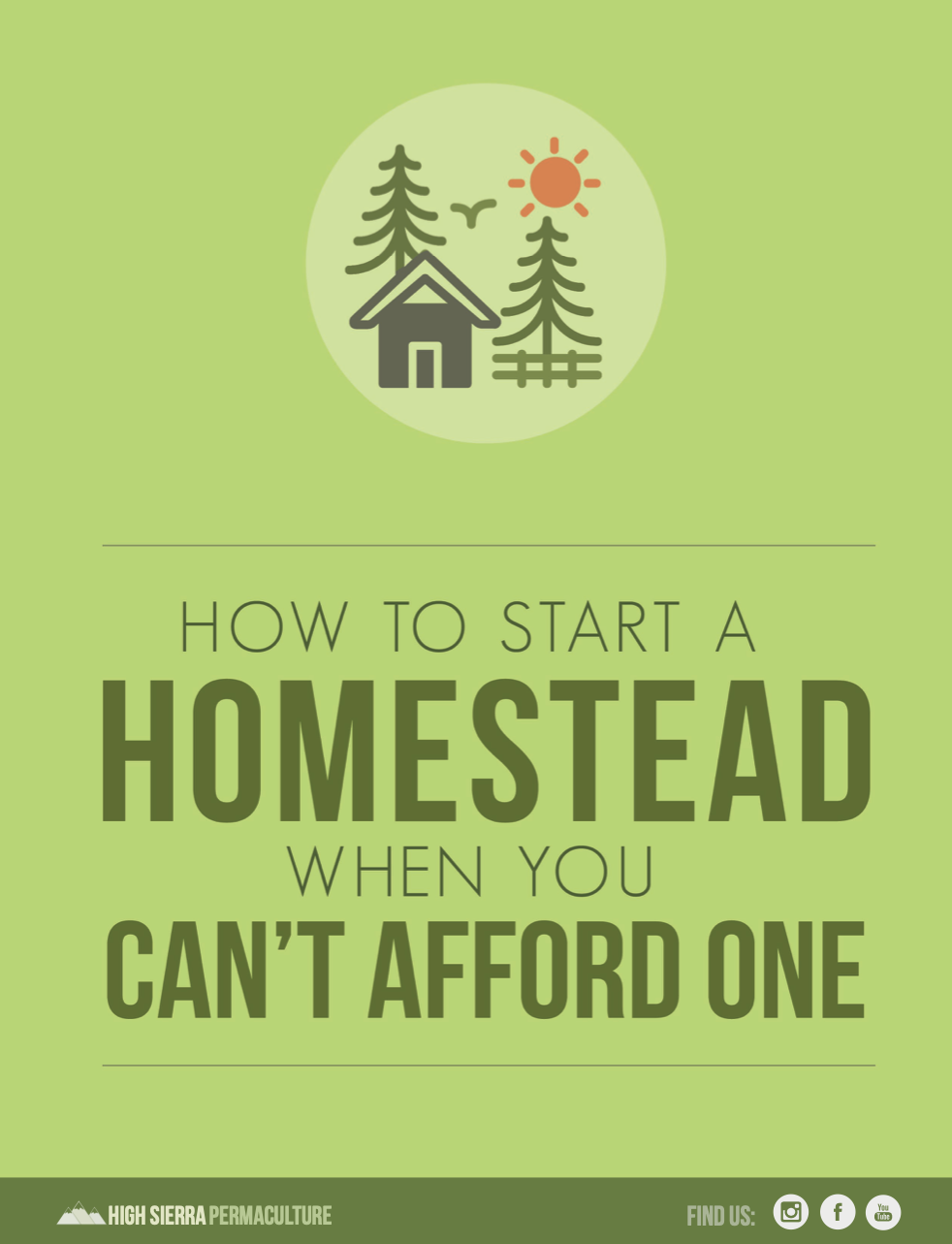
Free Ebook How to Start A Homestead When You Can’t Afford it
View Ebook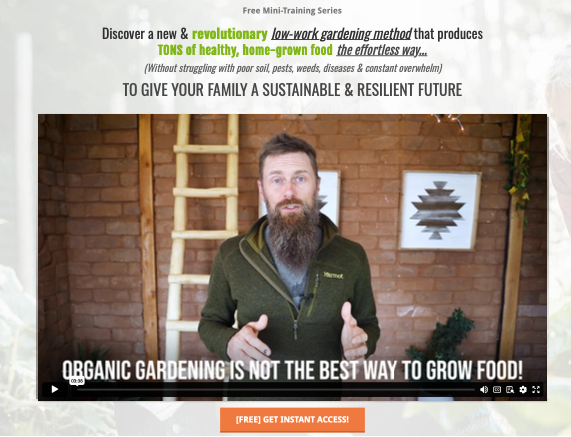
3-Part Video Series - The Revolutionary Garden Method
View Registration Page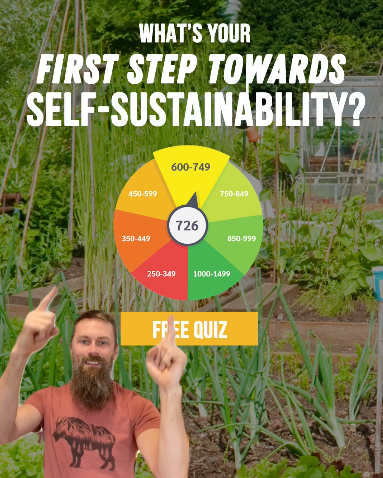
Lead Quiz - Whats Your Self Sustainability Score?
View Quiz Results PageStep #3
Webinar Registration
All funnel steps ↑FLOW:
FB Warm Ads / Email List -> Webinar Invite
32–40%Cold registration rate
40–60%Warm registration rate
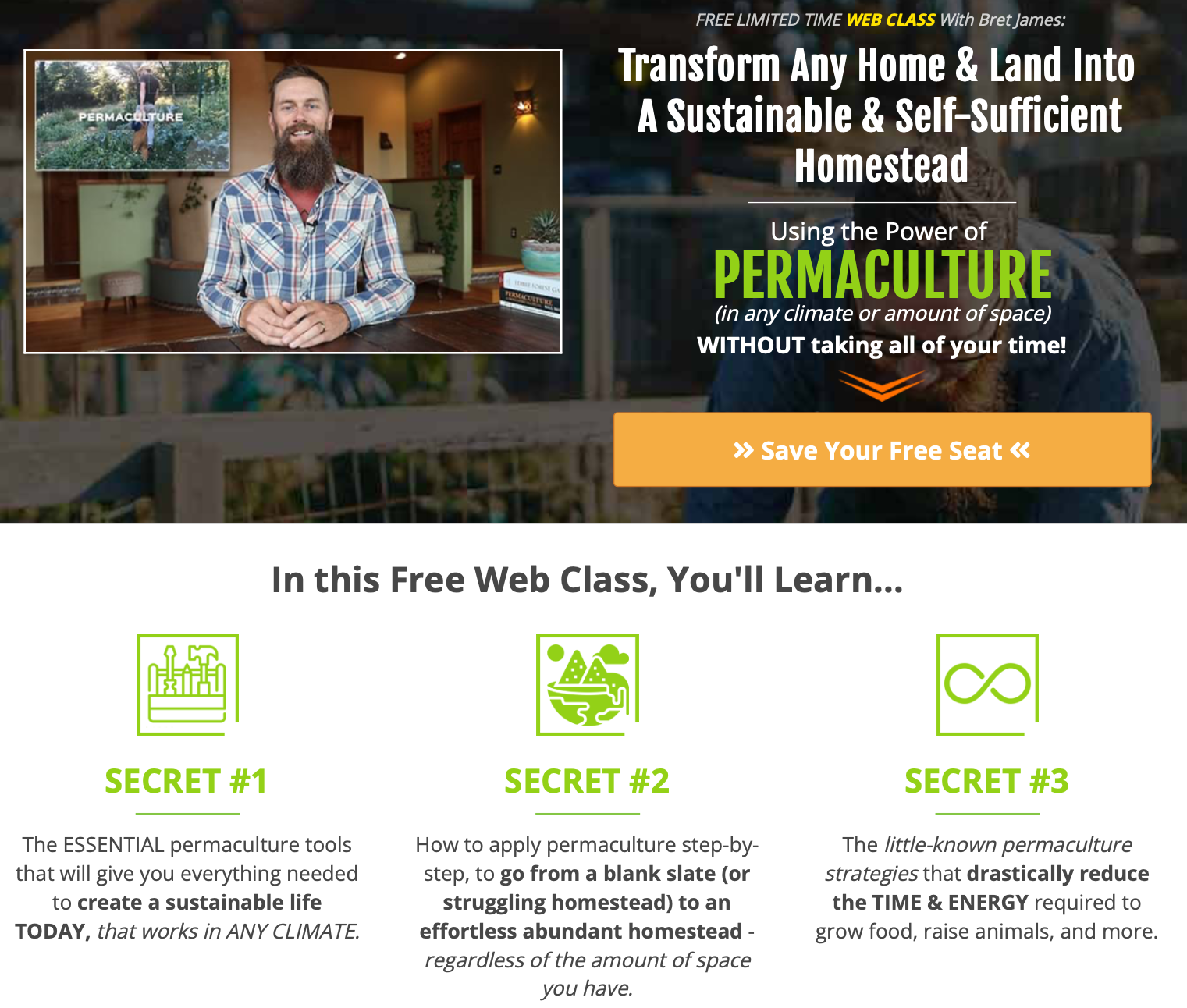
Transform Any Home or Land Into A Self-Sustainable Homestead
(without taking all of your time)
Registrant Webinar Email Sequence:
Email Reminder #1 - Webinar Details + Big Problem↗Email Reminder #2 - How Problem worsens if no action is taken↗Email Reminder #3a- 1 HR - Webinar Starts Soon / Change Starts With Action Today / Free ebook for attendees↗Email Reminder #3b- 15m Warning - Log In↗
Select any email to read the full message.
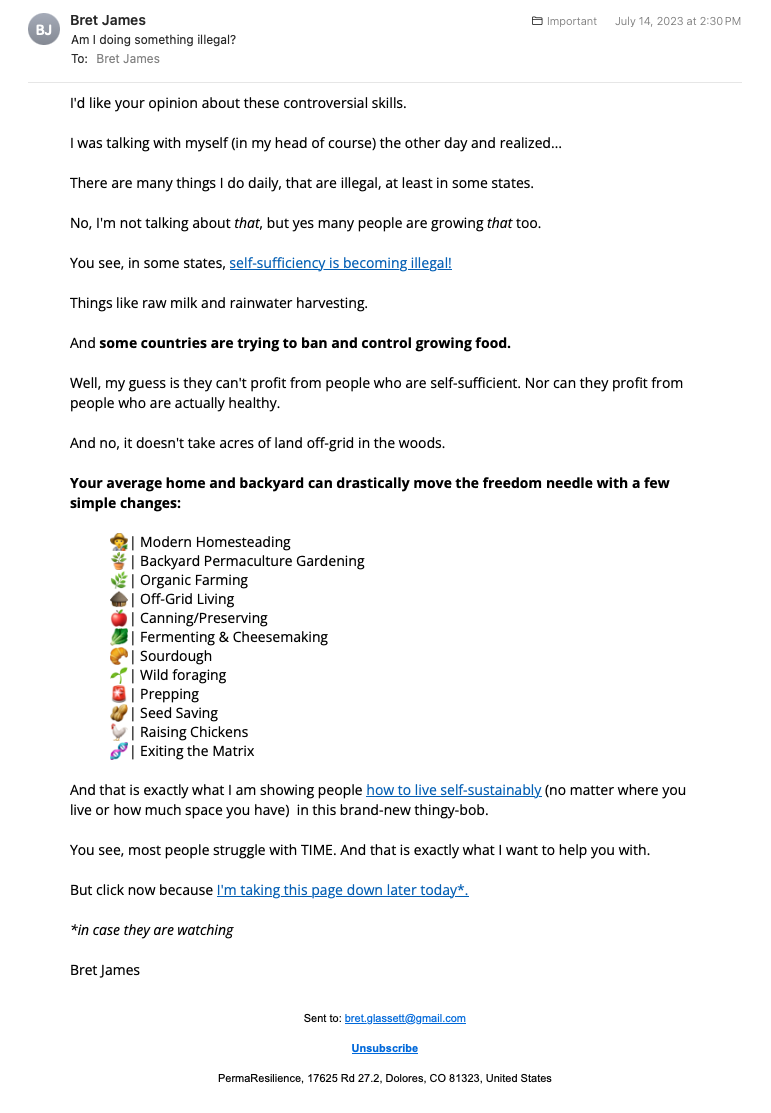
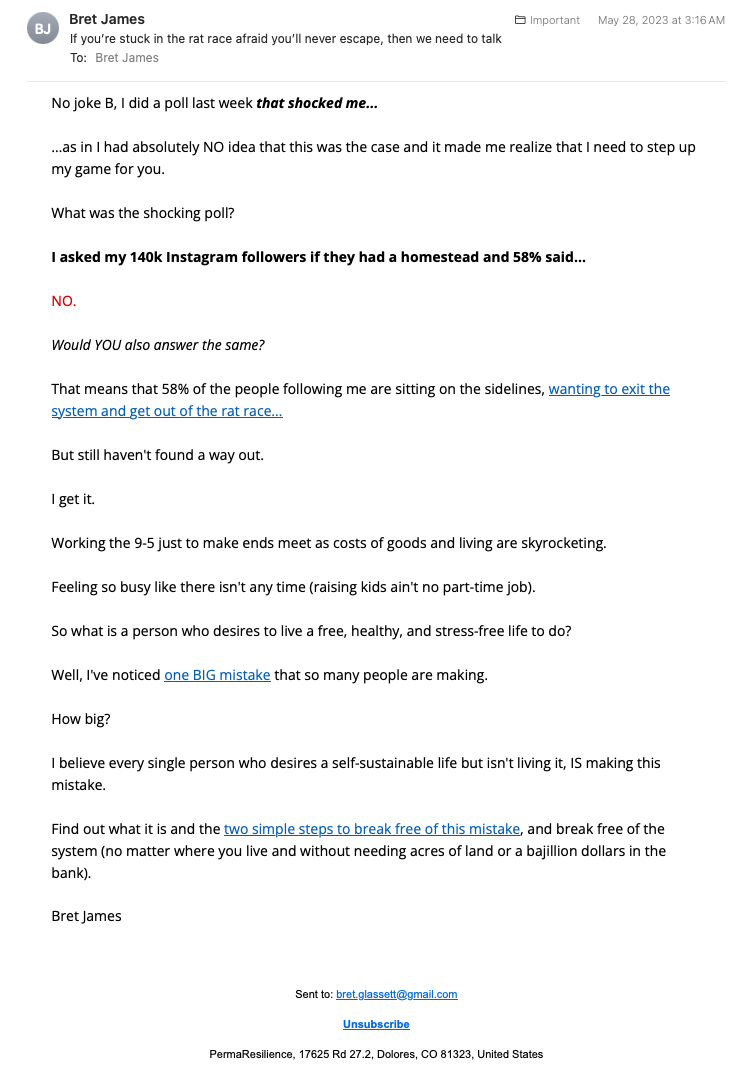
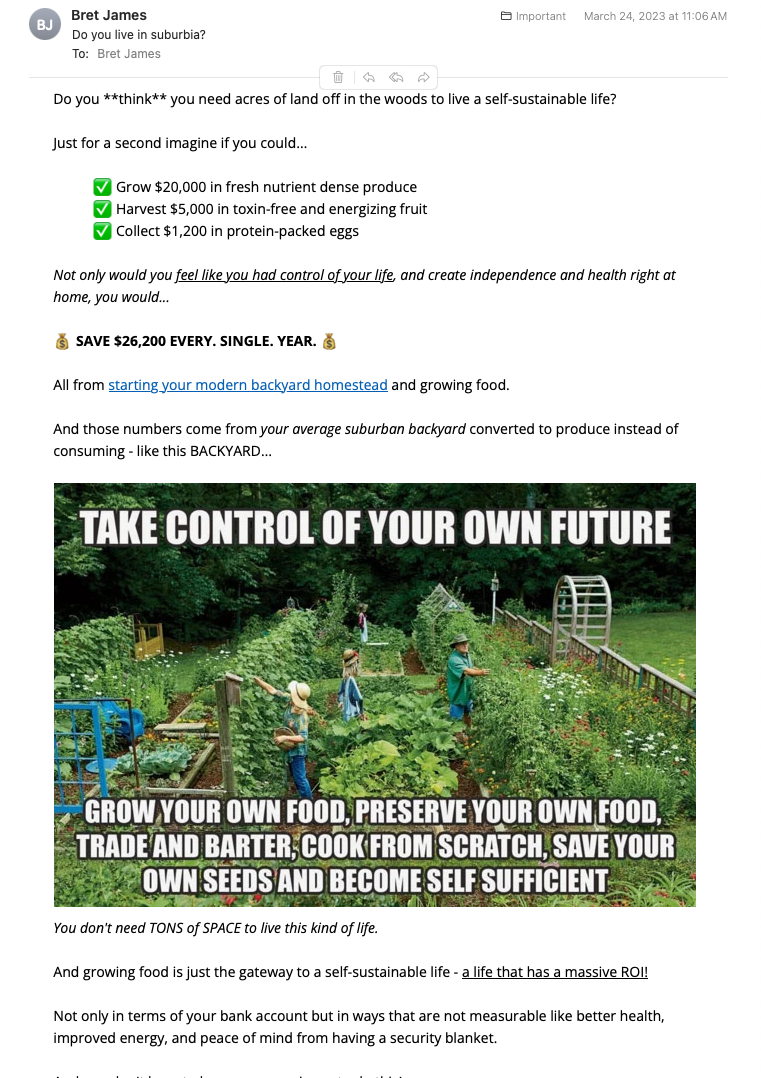
Semi-warm leads were periodically invited into an evergreen webinar campaign, generally in approximately 60-day intervals.
But registering someone wasn't enough.
Automated pre-webinar emails were deliberately written to build curiosity, reinforce the problem the webinar would solve and increase the perceived value of actually showing up.
In other words, the webinar registration page generated the lead—but the email sequence helped generate the attendee.
Step #4
Webinar
All funnel steps ↑FLOW(s):
Webinar Attendee -> Sales Page -> 5 Day Sales Email Sequence / FB Retargeting ads
Webinar Non-Attendee -> Re-Register Email Sequence
34%Live attendance
28%Replay attendance
62%Average watch time
1.2–2.8%Sales conversion rate
The webinar was the primary bridge between education and the high-ticket offer.
Rather than immediately presenting the course, the presentation was structured to first establish the problem, introduce a different way of thinking about the solution and help prospects understand why previous attempts may not have worked.
The Webinar Structure
- HOOK
- STORY
- PROBLEM
- The NEW Vehicle (solution) e.g Permaculture
- The Transformation
- OFFER (Course)
- OBJECTIONS
- OFFER
The webinar therefore did more than "pitch."
It educated, shifted beliefs, introduced permaculture as the vehicle, demonstrated the potential transformation and answered the major objections standing between the customer and the purchase.
Over several years I sold one flagship program that evolved into four primary variations, giving customers different levels of curriculum, instructor access, community support and personal coaching.
Price points ranged from $397 to $1,997.
Enrollment was offered during limited promotional windows, with enrollment generally closing after five days.
The webinar wasn't the end of the funnel. It was the moment the funnel changed from education to decision.
Step #5
The Offer — Holistic Homestead Academy
All funnel steps ↑The Holistic Homestead Academy was designed as far more than a library of gardening videos.
It was a comprehensive, self-paced permaculture education and implementation system designed to move customers from "I don't know where to start" to having the knowledge, tools and confidence to design their own garden, landscape, homestead or farm.
One major version of the program included a 72-hour Permaculture Design Certification curriculum organized around a proprietary step-by-step P3 Permaculture Method.
The core education covered topics including ecological gardening, soil regeneration, food forests, season extension, water harvesting, animals, natural building, alternative energy and regenerative agriculture—followed by a structured process for applying those principles to the student's actual property.
Depending on the offer variation, the program also included instructor access, live Q&A sessions, a private student community, professional permaculture training, mobile access, lifetime access and additional courses covering homesteading, business and land selection.
The important marketing decision was that the offer didn't simply sell information.
It sold a clearer path through an otherwise overwhelming subject—supported by education, implementation tools, community and access to experienced instructors.
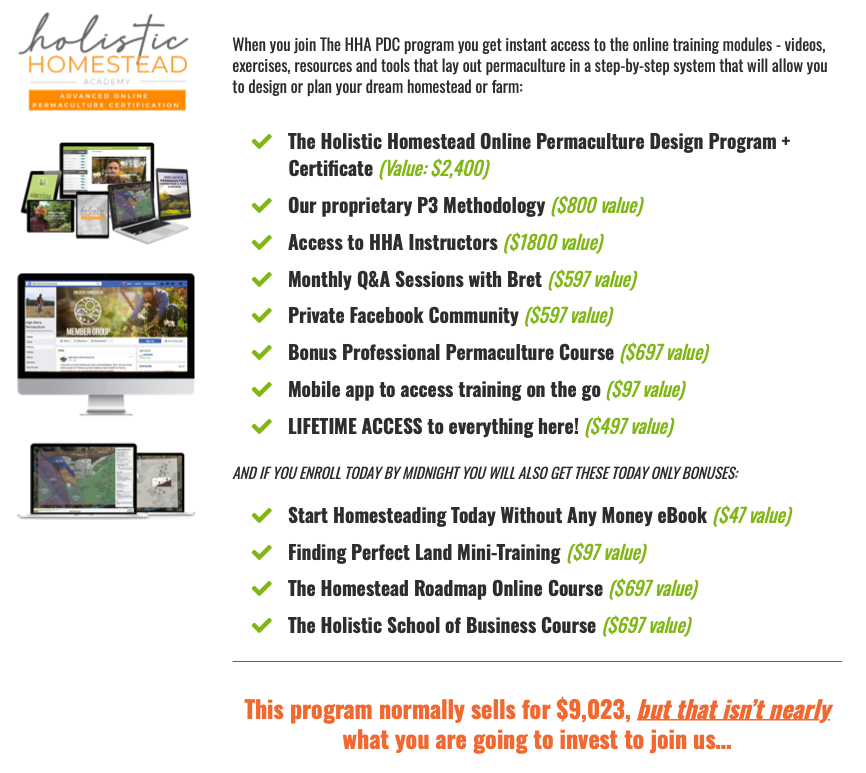
Note: There were many variations of the offer ranging from $397-$1997, here is one version.
View Offer Sales PageCustomers weren't buying 72 hours of videos. They were buying a roadmap from "someday I want this life" to "I know what to do next."
Step #6
Sales Pages
All funnel steps ↑FLOW(s):
Webinar -> Sales Page
Sales Email Sequence -> Sales Page
1,700+Enrollments
$397–$1,997Price points
The sales pages were built around the customer's existing pains, objections, desired outcomes and beliefs—not simply a list of course modules and features.
Customer research played an especially important role here.
Surveys specifically asked prospects who didn't enroll why they had decided against purchasing. Those responses provided direct insight into the objections preventing otherwise interested prospects from becoming customers.
Those objections could then be addressed directly in subsequent versions of the sales copy.
The pages connected the customer's desired outcome to the proposed vehicle—permaculture—and then positioned the course as the structured path for implementing it.
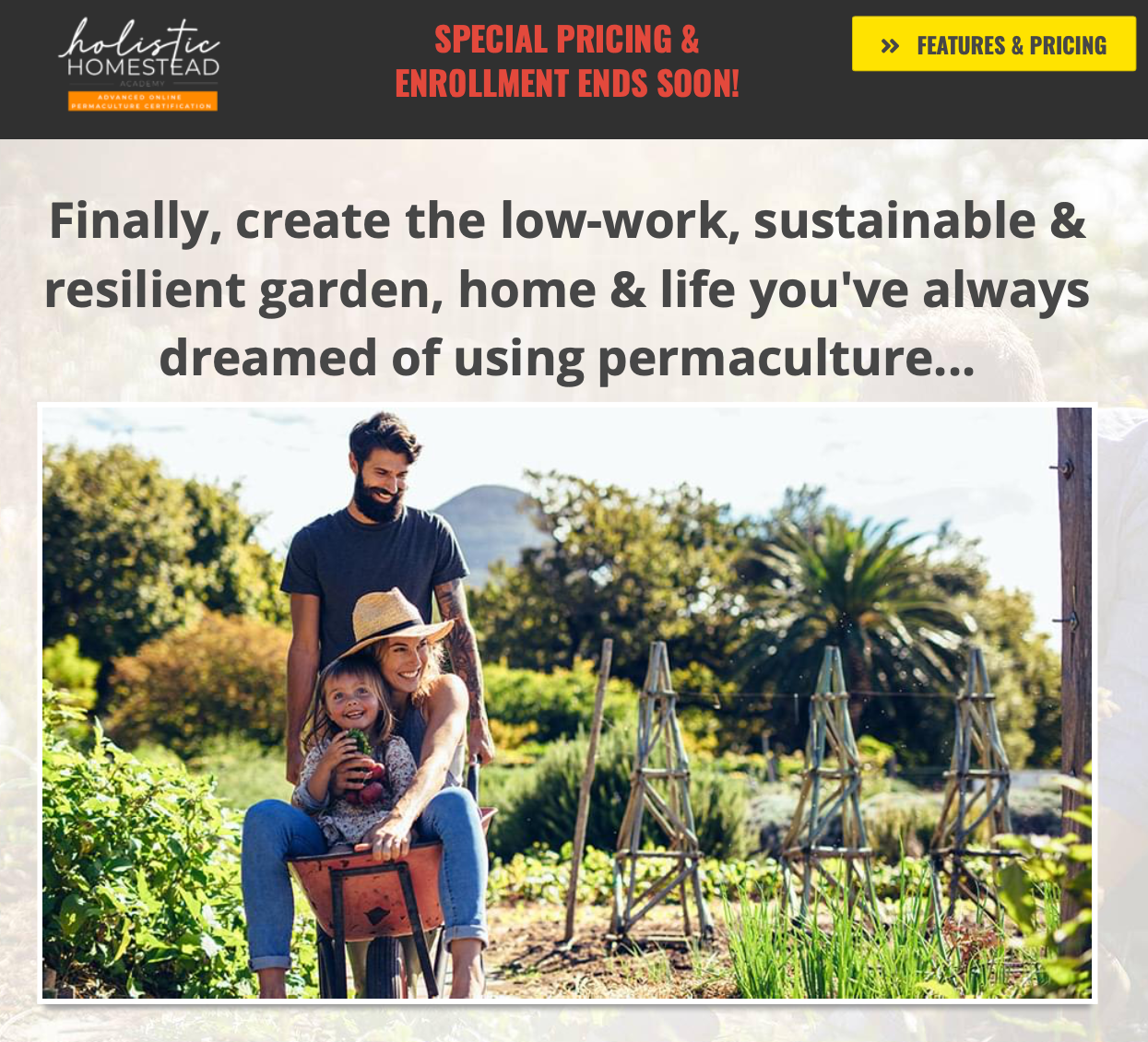
A "no" wasn't simply a lost sale. It was customer research for the next version of the funnel.
Step #7
Sales Email Sequence
All funnel steps ↑FLOW:
Sales Email Sequence -> Sales Page
Webinar attendees entered a five-day automated sales campaign.
For the first four days, prospects generally received one email per day. On the final enrollment day, the campaign increased to three deadline-driven emails as enrollment approached its close.
Each email was designed around a different angle, objection or reason to act rather than repeatedly sending the same "buy now" message.
30–44%Average open rate
1–3%Average click-through rate
Email 1 - They don’t want you to know this!↗Email 2 - I’ve been exposed…↗Email 3 - Is money $$ the issue?↗Email 4 - You CAN’T google this…↗Email 5a - $0 Enrollment [TODAY Only]↗Email 5b - a double dare you [11 hours left…]↗Email 5c - [LAST CALL] If you don’t join us now, things won’t change…↗
Select any email to read the full message.
The email campaign didn't just remind prospects that enrollment was open. Each message had a job: reopen attention, overcome an objection, deepen desire or create a legitimate reason to make a decision.
Step #8
Sales Retargeting Ads
All funnel steps ↑FLOW:
Re-targeting Ad -> Sales Page
Not everyone who watched the webinar and saw the offer purchased immediately.
That made those prospects one of the most valuable advertising audiences in the entire funnel.
During the five-day enrollment period, Facebook retargeting campaigns were used to bring those prospects back into the sales conversation.
Instead of simply showing the original offer again, many of these ads focused on student transformations, testimonials and real-world results—adding third-party proof after prospects had already heard the sales argument directly from me.
The webinar made the promise. Retargeting let successful customers help prove it.
Step #9
Course Delivery
All funnel steps ↑The customer journey didn't end when Stripe processed the payment.
Immediately after enrolling, students received access to the products, resources and community included with their particular offer.
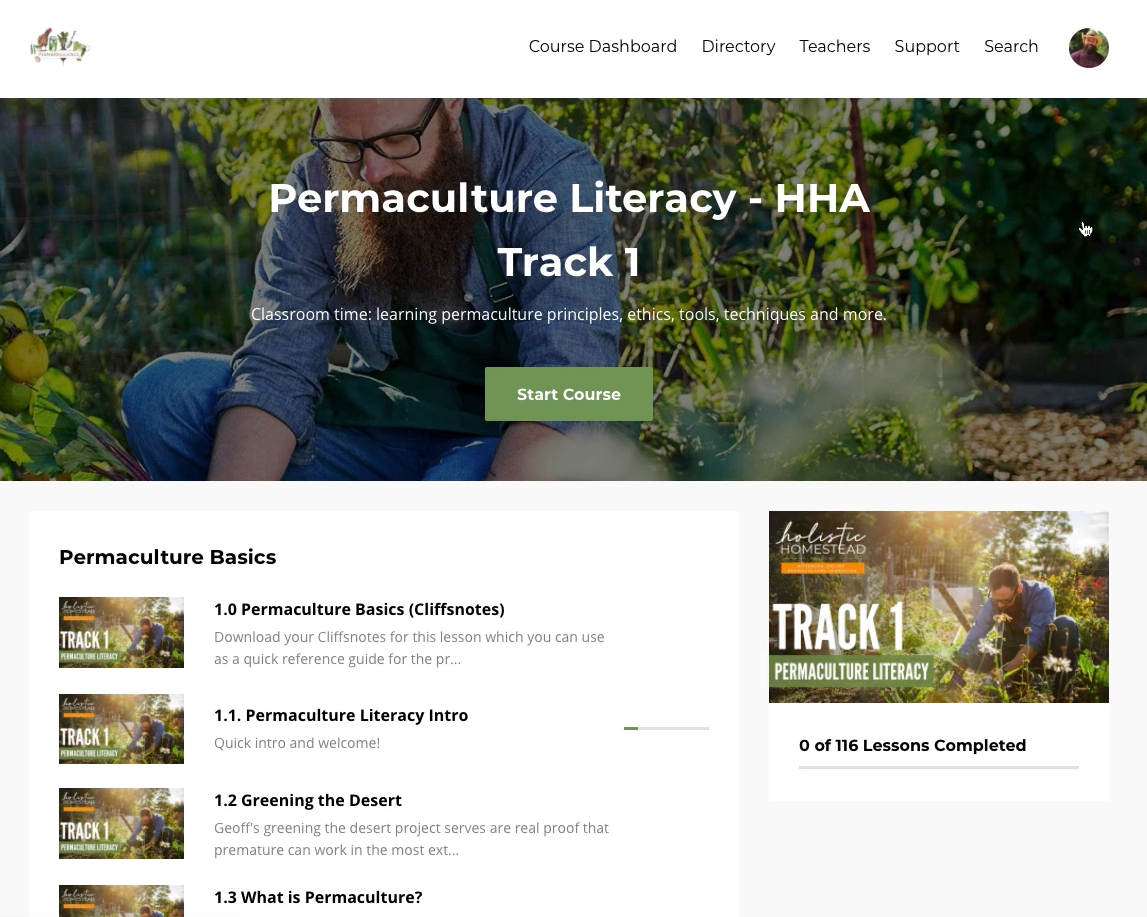
- Access to all courses
- Access to all bonuses
- Invite to the Private FB group
The goal was to make the transition from buyer to student feel immediate.
The faster customers could understand what they had purchased, find what they needed and begin making progress, the more likely they were to feel confident about their decision.
Step #10
New Customer Retention
All funnel steps ↑Refund rate: 1%
(Note: industry standard as high as 10%)
Getting the sale was only half the job.
A deliberate post-purchase experience was created to reduce confusion, reinforce the customer's buying decision and help new students begin using the program quickly.
The result was an average refund rate of approximately 1%.
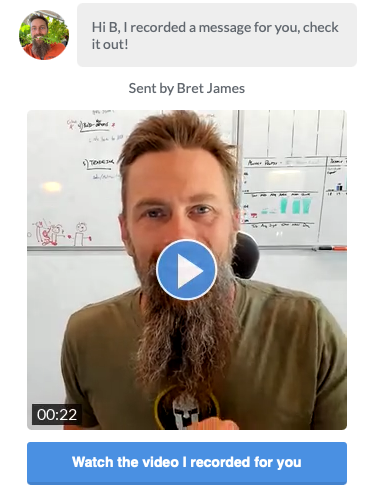
A) Personalized Welcome Video
New customers received a personalized welcome video from me through Bonjoro.
It was a small touch in an otherwise highly automated business—but students loved it.
At a moment when a customer could easily feel as though they'd just entered another faceless online course, the personal video reminded them there were real people on the other side of the purchase.
B) Customer Retention Automation
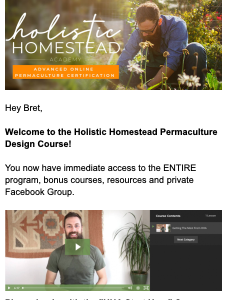
New customers were also placed into a seven-day onboarding email automation.
Rather than immediately dumping every feature of a large program onto them, the sequence progressively introduced students to the different parts of their purchase, clarified where to begin and removed uncertainty about their next steps.
Acquisition got the customer through the door. Onboarding made sure they were glad they walked through it.
Step #11
Low-Ticket Offers & Affiliate Offers
All funnel steps ↑Not purchasing the flagship program didn't mean a prospect disappeared from the ecosystem.
Leads who didn't enroll during a webinar promotion returned to the ongoing nurture system, where the relationship continued through useful educational emails and social content.
Occasionally, those subscribers were presented with smaller offers generally ranging from $27–$97.
These products created an additional revenue stream while giving prospects who weren't ready for the flagship program a much easier first purchase.
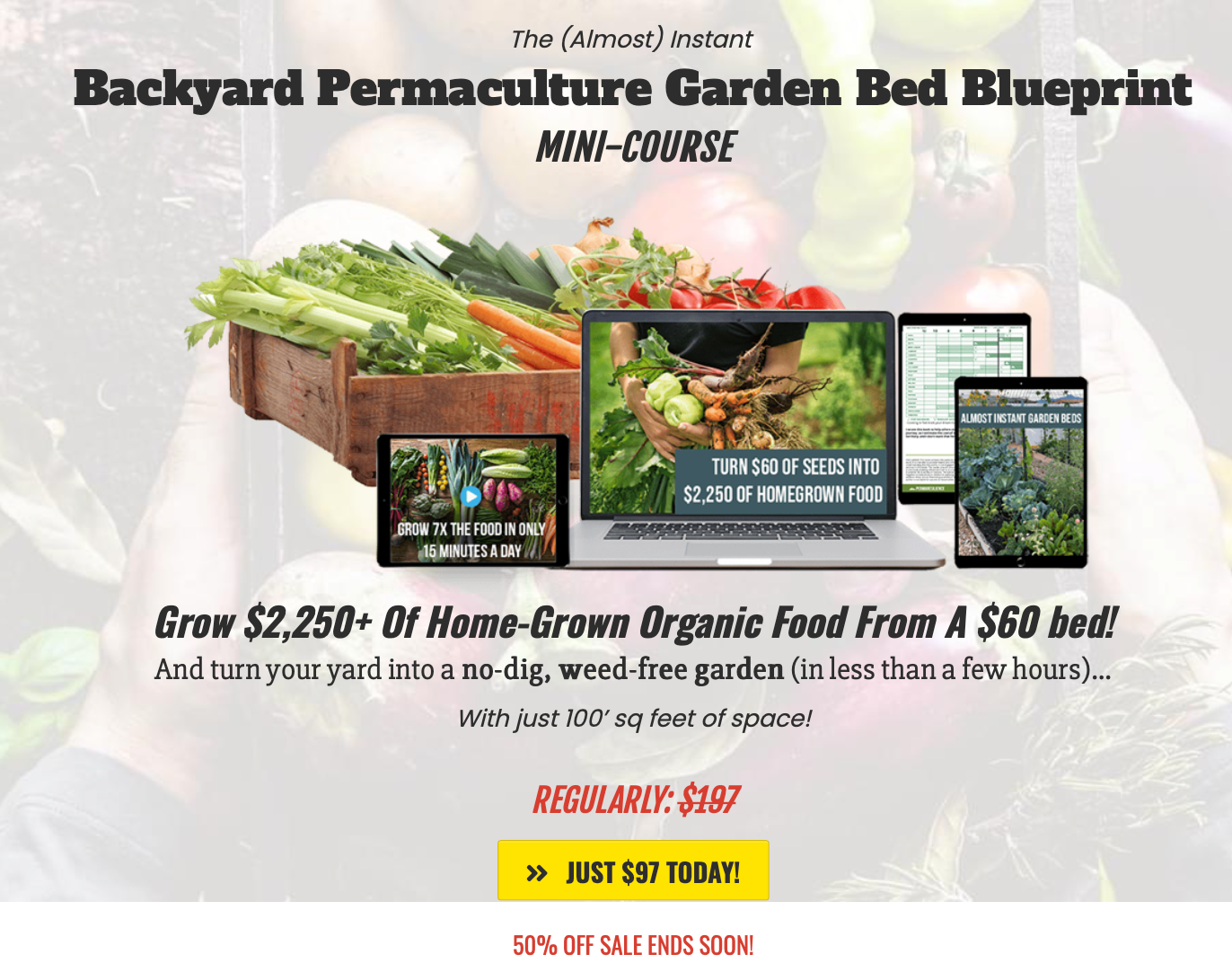
The funnel therefore wasn't built around a binary outcome of "buy the high-ticket product now or disappear."
There were multiple opportunities to continue the relationship, provide value and monetize different levels of customer intent.
Step #12
Funnel Optimization
All funnel steps ↑The funnel was never treated as finished.
Over its lifetime, virtually every major component was tested and refined—including ads, hooks, landing pages, lead magnets, emails, webinars, sales pages, pricing and offers.
Customer behavior and campaign data determined where attention went next.
Sometimes the biggest opportunity was a landing-page conversion rate.
Sometimes it was cost per lead.
Sometimes it was webinar registration, attendance, offer conversion or the performance of one advertising creative.
And sometimes a single winner dramatically outperformed everything else—as demonstrated by one Facebook ad ultimately accounting for 43% of total revenue generated.
Optimization wasn't about making every number perfect. It was about finding the constraint that mattered most, improving it, and then finding the next one.
The Results
A Funnel Is More Than a Page With a Checkout Button
The biggest result wasn't any single landing page, webinar, ad or email.
It was the system they created together.
A prospect could discover a piece of organic content or Facebook ad, become a lead for less than a few dollars, enter an automated nurture ecosystem, register for a webinar, encounter a carefully structured sales argument, receive follow-up emails and retargeting, purchase a $397–$1,997 offer, immediately receive their program—and then enter an onboarding system designed to keep them happy and engaged.
What Mattered Most
1,700+ customers enrolled.
The flagship program ultimately served more than 1,700 students across multiple offer variations and price points.
$397–$1,997 high-ticket offers.
The funnel successfully sold education products well beyond impulse-purchase pricing, requiring substantially more trust, education and objection handling than a typical low-ticket ecommerce transaction.
~$500K deployed into Facebook advertising.
Paid acquisition wasn't an experiment at the edges of the business. It became a repeatable customer-acquisition engine operating at meaningful scale.
3X average paid ROAS.
The strongest advertising channel was identified and aggressively leveraged rather than spreading budget and attention across channels simply because they existed.
One ad generated 43% of total revenue.
Testing created outsized winners—and when the data showed something was working, the strategy was to exploit the advantage rather than constantly chase novelty.
Lead conversion as high as 62%.
Lead-generation pages routinely converted meaningful percentages of their traffic while generating leads for approximately $.70–$3.50.
Webinar watch time averaged 62%.
The sales mechanism didn't simply generate registrations. Prospects consumed a substantial portion of the presentation required to understand the problem, solution and offer.
Average refund rate: 1%.
The funnel wasn't optimized only for front-end revenue. The product, fulfillment and onboarding experience were designed to make customers feel confident after the sale too.
But Here's What I'm Most Proud Of
None of those numbers came from a single marketing trick.
There wasn't one magical landing page.
There wasn't one secret email.
And despite one spectacularly successful Facebook ad, there wasn't one piece of creative responsible for building the business.
The result came from understanding how customer research, positioning, copywriting, traffic, technology, automation, sales psychology, product design and customer experience all affect one another.
That's what this project taught me more than anything:
Great funnels aren't really funnels.
They're thoughtfully designed customer journeys.
Every advertisement creates an expectation.
Every landing page continues a conversation.
Every email answers a question.
Every webinar changes a belief.
Every sales page helps someone make a decision.
And every post-purchase interaction determines whether the promise you marketed becomes an experience the customer is glad they paid for.
The technology connected the funnel. The customer psychology made it work.